ReadyWhen Certificate in Event & Emergency Operations
The ReadyWhen Foundations Certificate certifies event & cultural professionals in the systems and skills that keep communities thriving… during celebrations and crises alike. You’ll leave with transferable micro-credentials, a certificate that documents your ability to operate at the intersection of event production and emergency preparedness, and a completed assessment of a real venue or event.
Certificate requirements
Training that stacks. Experience that counts. Certification that opens doors.
Who it’s for: Operations, security, and guest-services professionals at festivals, venues, museums, libraries, and historic sites. Also for event producers, community service providers, and volunteers committed to supporting local preparedness.
What it builds on: The crowd management, logistics, hospitality, safety planning, or communications work you already do—whatever your role, no one is starting from zero.
What it adds: Practical skills in essential operations (water, power, communications, safety), simple emergency‑management frameworks, shared language with public agencies, and tools for planning before, during, and after disruptions.
Build skills
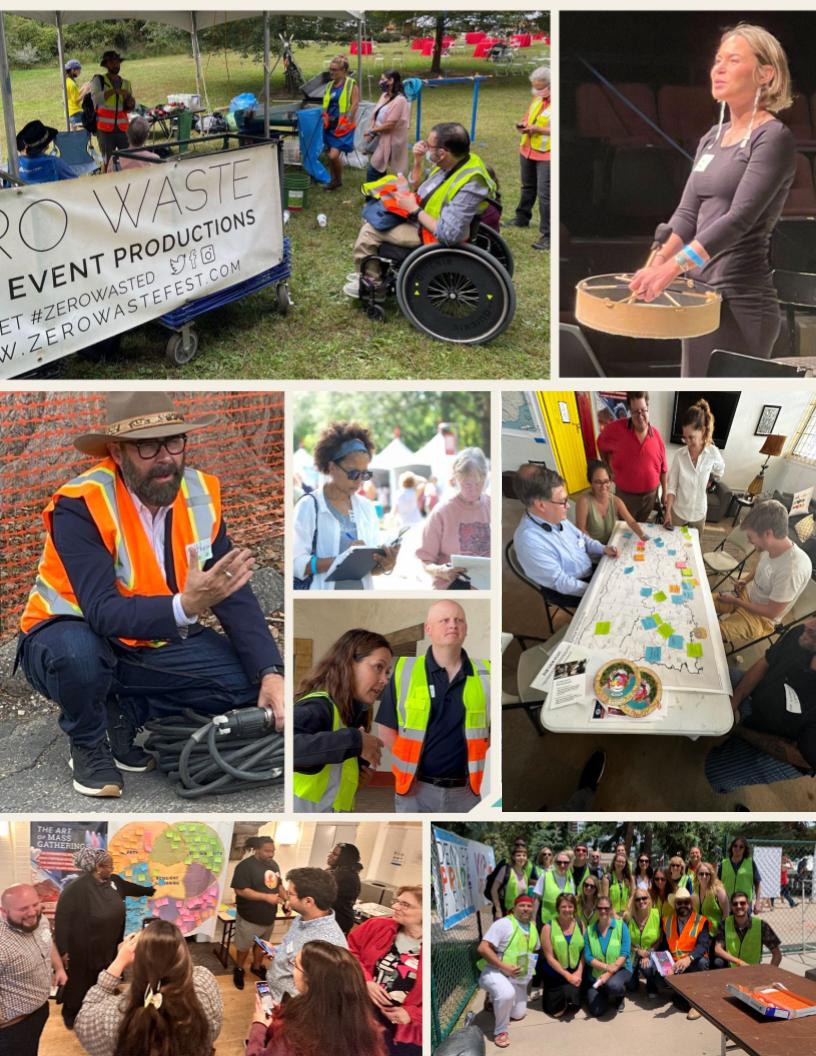
The ReadyWhen Foundations training is the core of the certificate — a hands-on, in-person program running approximately six hours. You’ll complete the rest of your training online at your own pace, through several credentialed modules from established training providers. Already hold some of these credentials? Simply submit current documentation when you apply.
Put it into practice
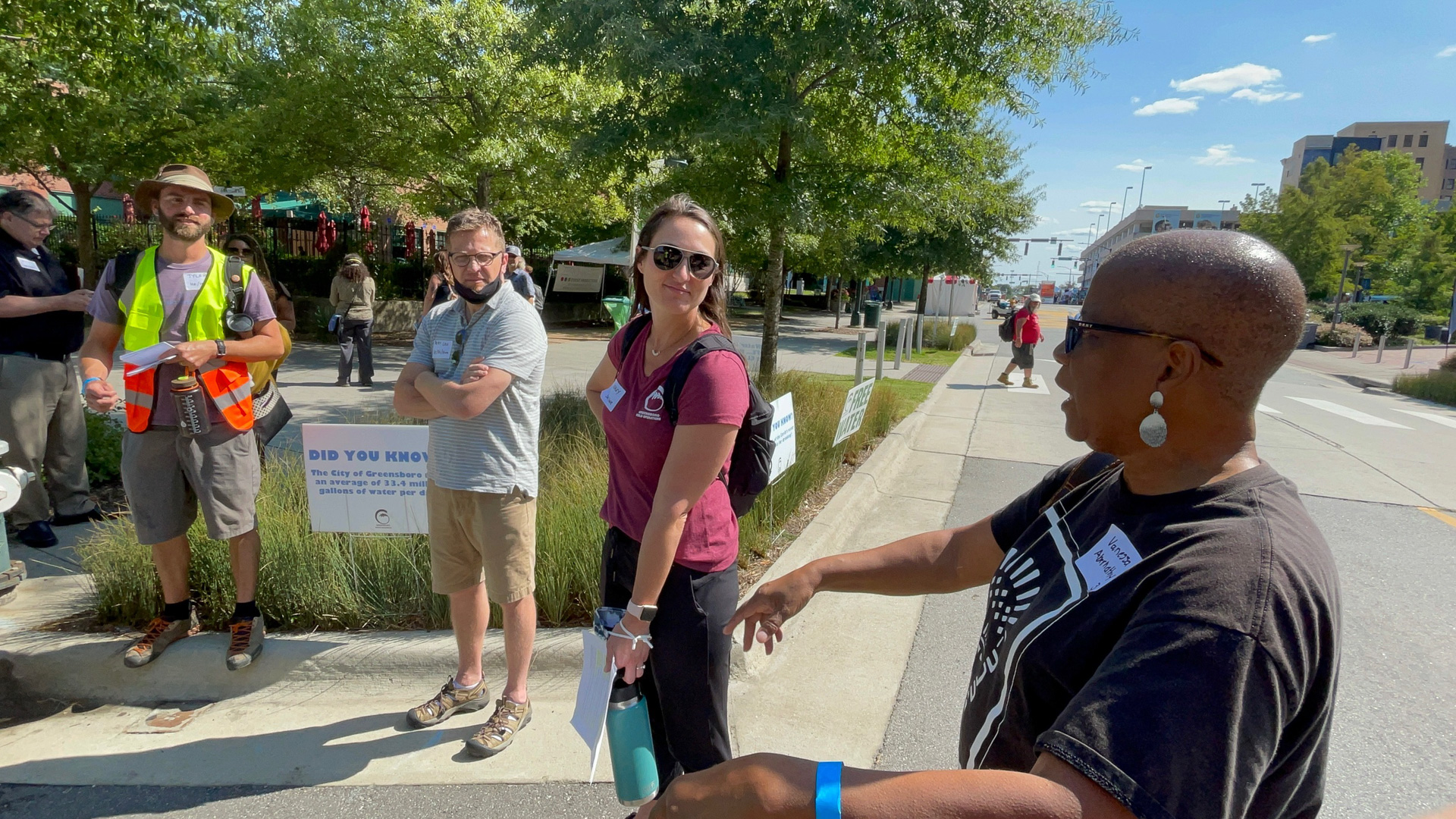
The ReadyWhen Field Practicum develops your ability to read an operational environment through a preparedness lens. Using the Four Pillars framework, you’ll document what you observe at a real event or venue — building the situational awareness that connects event operations to emergency response. Complete it by joining one of our experiential training events, or independently using the self-led Field Kit.
Earn your certificate
Once you’ve completed your training and submitted the ReadyWhen Field Practicum, you’ll take the ReadyWhen Foundations exam online. Pass it, and you’ll receive your Foundations Certificate in Event & Emergency Operations — issued as a digital credential and a signed printed certificate.
Certification cost: $150
Signup opening soon!
Why it matters
The ReadyWhen Foundations Certificate in Event & Emergency Operations strengthens both everyday operations and disaster readiness for the people and organizations who make community life happen. Graduates cultivate their situational awareness across the Four Pillars of event resilience (safety, accessibility, sustainability, and community engagement) and learn to recognize threshold moments when routine operations shift toward incident response.
– Collin M. Arnold, Office of Homeland Security & Emergency Preparedness (NOHSEP)

For professionals
For arts & culture organizations
For emergency managers & planners
For communities
The Curriculum
ReadyWhen Foundations Certificate in Event & Emergency Operations
Fundamentals of Operational Systems
Understand the basics of essential infrastructure systems (water, sanitation, power, food) through standardized calculations and configurations, enabling effective coordination with specialists and informed decision-making across event production and emergency response settings.
Communications & Coordination
Operate communication equipment (radios, PA systems) and ensure clear, strategic communication across diverse stakeholders during both everyday operations and crisis contexts. Training incorporates Incident Command System (ICS) protocols and accessible design practices to prepare effective briefings and communications for diverse audiences and scenarios.
Accessibility, Functional Needs, and Serving Diverse Populations
Recognize and apply accessibility frameworks to identify gaps and develop strategies for space, event, and communications design that serve diverse populations—including people with functional needs, multiple language communities, and a variety of age groups.
Cross-Sector Frameworks & Documentation
Apply emergency management structures and protocols and the four pillars resilience framework to analyze and strengthen organizational readiness, translating between event operations and emergency preparedness to amplify capacity and improve outcomes in both contexts.
Crowd Manager Training
A recognized certification in crowd safety planning and emergency response procedures. Crowd managers are legally required at many venues and events; this credential formalizes what experienced event staff already practice and makes it portable.
Food Handler Basic Training
Covers safe food handling, storage, and distribution for food and water, skills that apply equally to catering a festival and running a mass care operation after a disaster. Required in most jurisdictions for anyone handling food at public events.
IS-815: Temporary and Emergency Power
A FEMA class covering how temporary power systems are planned, deployed, and managed in both event and emergency contexts. Understanding power infrastructure is foundational to incident planning and keeping people safe when normal systems fail.
IS-405: Mass Care / Emergency Assistance Overview
A FEMA introduction to how mass care operations — sheltering, feeding, family reunification — are coordinated during disasters. This topic offers practical insights when it comes to coordinating special events and aligns skills that many event professionals already have with formal emergency management frameworks.
IS-2901: Introduction to Community Lifelines
FEMA’s framework for understanding the essential services that communities depend on in a crisis, and which map directly onto the operational systems event professionals manage every day (safety, food, water, power, communications, transportation).
Details coming soon
The Online Micro-certs
ReadyWhen Foundations Certificate in Event & Emergency Operations
Crowd Manager Training
A recognized certification in crowd safety planning and emergency response procedures. Crowd managers are legally required at many venues and events; this credential formalizes what experienced event staff already practice and makes it portable.
Food Handler Basic Training
Covers safe food handling, storage, and distribution for food and water, skills that apply equally to catering a festival and running a mass care operation after a disaster. Required in most jurisdictions for anyone handling food at public events.
IS-815: Temporary and Emergency Power
A FEMA class covering how temporary power systems are planned, deployed, and managed in both event and emergency contexts. Understanding power infrastructure is foundational to incident planning and keeping people safe when normal systems fail.
IS-405: Mass Care / Emergency Assistance Overview
A FEMA introduction to how mass care operations — sheltering, feeding, family reunification — are coordinated during disasters. This topic offers practical insights when it comes to coordinating special events and aligns skills that many event professionals already have with formal emergency management frameworks.
IS-2901: Introduction to Community Lifelines
FEMA's framework for understanding the essential services that communities depend on in a crisis, and which map directly onto the operational systems event professionals manage every day (safety, food, water, power, communications, transportation).
The Curriculum
ReadyWhen Foundations Certificate in Event & Emergency Operations
Fundamentals of Operational Systems
Understand the basics of essential infrastructure systems (water, sanitation, power, food) through standardized calculations and configurations, enabling effective coordination with specialists and informed decision-making across event production and emergency response settings.
Communications & Coordination
Operate communication equipment (radios, PA systems) and ensure clear, strategic communication across diverse stakeholders during both everyday operations and crisis contexts. Training incorporates Incident Command System (ICS) protocols and accessible design practices to prepare effective briefings and communications for diverse audiences and scenarios.
Accessibility, Functional Needs, and Serving Diverse Populations
Recognize and apply accessibility frameworks to identify gaps and develop strategies for space, event, and communications design that serve diverse populations—including people with functional needs, multiple language communities, and a variety of age groups.
Cross-Sector Frameworks & Documentation
Apply emergency management structures and protocols and the four pillars resilience framework to analyze and strengthen organizational readiness, translating between event operations and emergency preparedness to amplify capacity and improve outcomes in both contexts.
Coming to New Orleans April 18-19th!
Ready to get certified? The fastest path to your ReadyWhen Foundations Certificate is coming to New Orleans this April at the International Foundation for Cultural Property Protection’s 27th Annual Conference. Join us for a Festival Immersive experiential tour at French Quarter Festival and the Caesars Superdome, followed by a full-day Event & Emergency Operations Bootcamp on the National WWII Museum campus.
One city. One extraordinary weekend. Professionals from across the country, gaining skills that count toward your ReadyWhen Foundations Certificate.