Preparedness for disasters and times of exception
ReadyWhen helps events, venues, and cultural ecosystems prepare before pressure arrives.
We train the people and places that already know how to manage crowds, power, communications, logistics, and care under pressure — and help them become a more visible, reliable layer of the city’s preparedness.
“Our cultural events already operate complex systems that bring people together safely every day. Programs like ReadyWhen recognize that expertise and help translate it into stronger community preparedness.”
— Darrick Hesson, CEM, Director, New Orleans Office of Coordination and Emergency Management (NOCEM)
We train the people and places that already know how to manage crowds, power, communications, logistics, and care under pressure — and help them become a more visible, reliable layer of the city’s preparedness.
Here’s how:
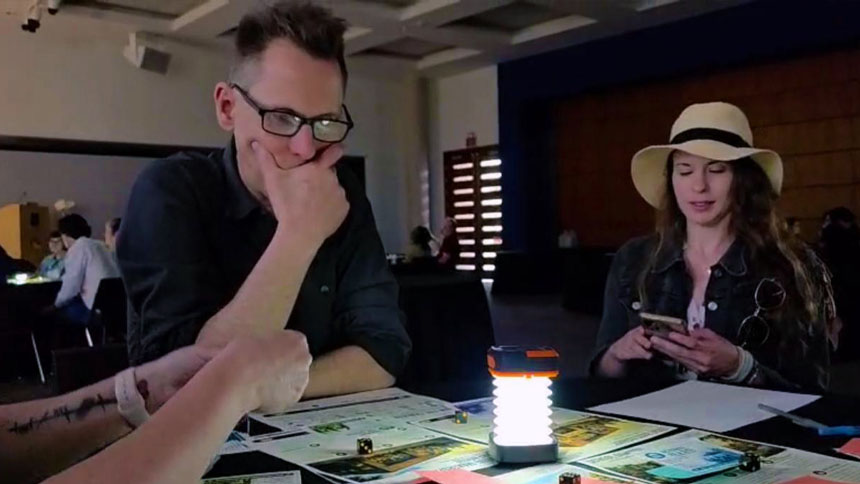
The Tabletop
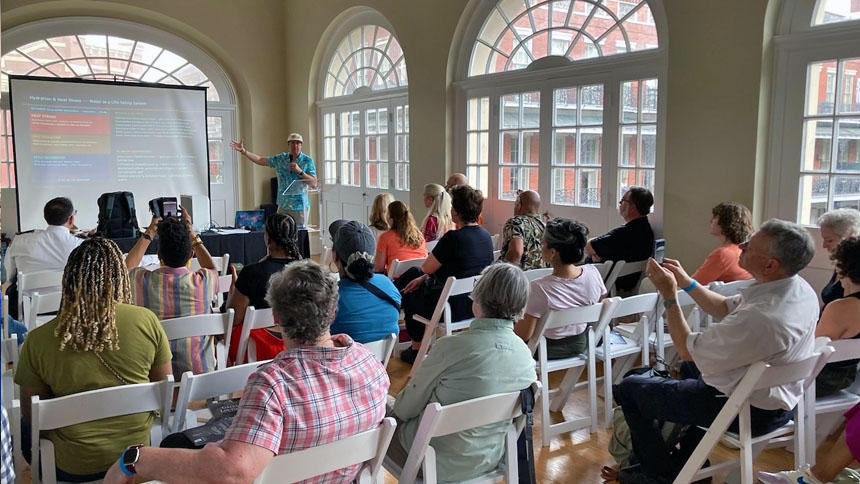
Our tabletop exercise is a fun, hands-on way to start the conversation about disaster readiness. Start finding new ways to position your existing capacities and quickly identify priorities to work toward. Plus there are M&Ms.
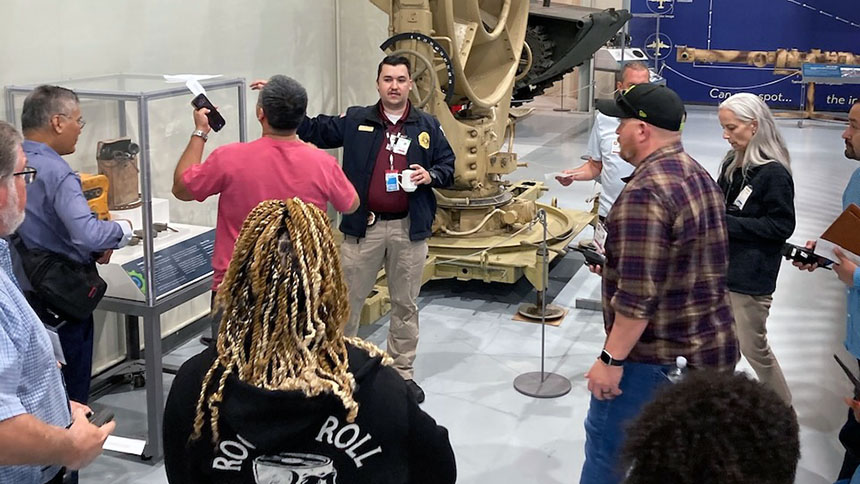
The Training
Our 15-hour Foundations Certificate in Event & Emergency Operations grounds you in the skills and systems that deliver successful events on blue sky days and become lifelines for communities when disaster strikes.
The Toolkit
Ready to make a difference? We’ve prepared fact sheets, resolution language, and partnership frameworks to help you lead the change toward readiness in your own organization or your local community.
“For fifteen years I’ve been saying disasters are events, festivals, galas & parades are events, floods are events—they all rely on the same operational DNA.
When I saw ReadyWhen articulate that and put it into action, I was thrilled. Emergency management has a real workforce challenge, even as more young professionals are working brutal hours to bring something beautiful to life at festivals and cultural venues.
ReadyWhen helps those dedicated teams see themselves in the essential work of emergency management, while giving their organizations a practical way to prepare as true resilience partners. It’s a talent pipeline hiding in plain sight.”
— Collin M. Arnold, former Director, New Orleans Office of Coordination and Emergency Management (formerly the New Orleans Office of Homeland Security and Emergency Preparedness)